Fosroc has teamed up with the Adelaide University (formerly University of South Australia) to support a PhD research project testing repair techniques for concrete pier and wharf columns damaged by ship collisions.
The project, led by a PhD student under the guidance of Senior Lecturer Dr Reza Hassanli, aimed to simulate real-world marine infrastructure damage and trial innovative repair methodologies.
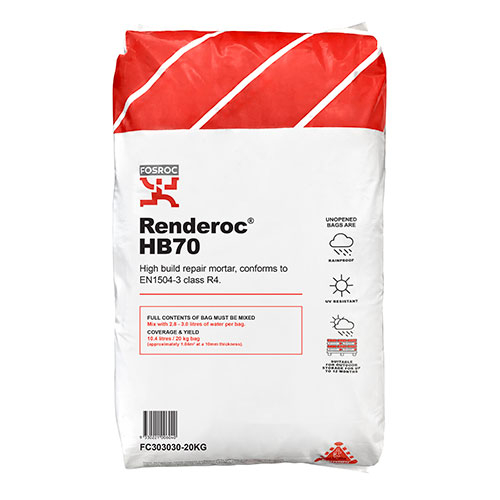
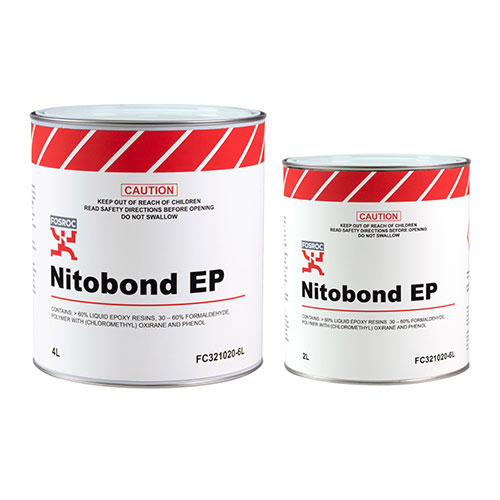
Eight hexagonal concrete columns were cast and reinforced with glass fibre-reinforced polymer (GFRP) before undergoing controlled side-impact damage to mimic ship collision forces. Fosroc provided technical guidance and donated Renderoc HB70 high-strength repair mortar and Nitobond EP epoxy bonding agent to carry out the repairs. The repaired columns were then wrapped in carbon fibre before being retested under impact conditions.
“The project was a fantastic opportunity to apply Fosroc’s repair systems in a highly relevant marine environment,” said Specification Manager for South Australia and the Northern Territory, Deborah Cockburn. “Renderoc HB70 and Nitobond EP are a proven combination for high-strength structural repairs, particularly where long-term durability in marine conditions is required. Nitobond EP is especially advantageous in these environments as it eliminates the need for pre-soaking while providing a strong barrier and bonding layer.”
Deborah, who is active in the Concrete Institute of Australia, was approached to assist when the university sought industry collaboration for the research. Fosroc not only supplied the repair products but Deborah also worked alongside the PhD student to ensure the correct application methodology was followed and advised on material testing techniques, including cube testing for compressive strength.
While the research outcomes are still being finalised, the project has already demonstrated the practical benefits of industry-academic collaboration.
“Being involved from the very start of the process gave us the chance to share both our products and our expertise with the next generation of engineers,” Deborah said. “It’s vital that students understand not only the theoretical aspects of repair but also the on-site application challenges. What looks good on paper doesn’t always translate to the field, and this project allowed them to gain that hands-on experience.”
Deborah said she hopes this collaboration paves the way for further partnerships with universities, helping students learn how to extend the life of concrete structures while saving money, resources, and the environment.
“This project has been a rewarding way to contribute to the education of future engineers while showcasing how Fosroc solutions can protect and strengthen critical infrastructure,” she said.